

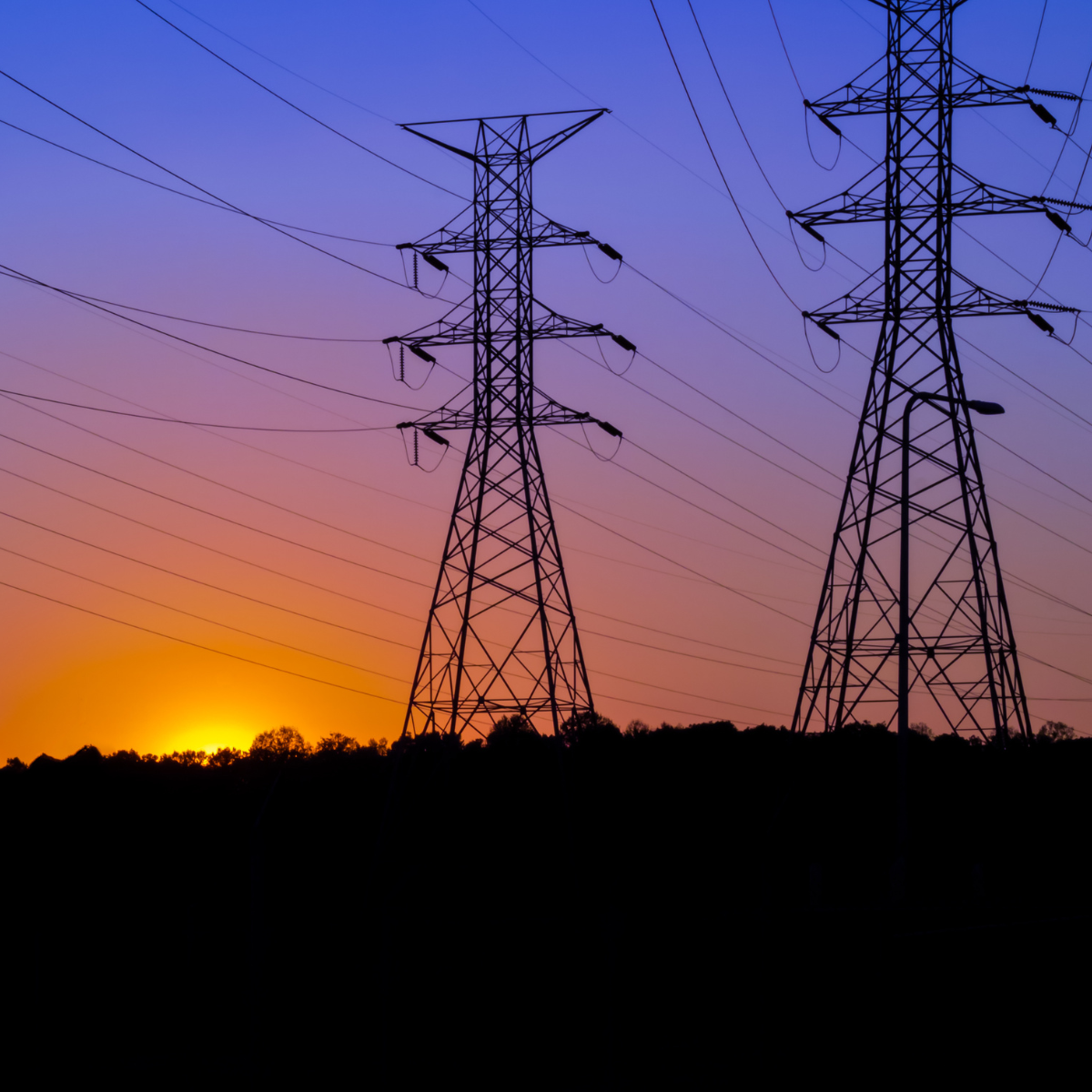
The Australian Energy Market Commission (AEMC) has proposed a draft rule aimed at reducing the risk of power outages caused by extreme weather events. This initiative comes in response to the increasing frequency and severity of storms, bushfires, and floods, which have left hundreds of thousands of Australians without power for extended periods in recent years.
Climate change is expected to intensify extreme weather events, placing additional strain on the electricity distribution network. This draft rule explicitly recognises the importance of distribution network resilience in the National Electricity Rules (NER). It aims to support Distribution Network Service Providers (DNSPs) in efficiently reducing risks and improving grid reliability.
Key benefits of the draft rule include:
The draft rule introduces several important changes:
For households and businesses, this draft rule could mean:
For DNSPs, the rule provides:
The draft rule is part of a broader effort to address the impacts of climate change on the energy grid. This includes:
For more information about the proposed resilience arrangements or to provide feedback, visit the AEMC project page.
At Watt Utilities, we’re here to help you navigate changes in energy policies and regulations. Contact us today for expert advice!
Get in TouchAs extreme weather events become more frequent and severe, ensuring the resilience of Australia’s electricity grid is more important than ever. The AEMC’s draft rule is a proactive step toward reducing the risk of power outages and supporting households and businesses during challenging times.
Stay informed with Watt Utilities for the latest updates on energy policies, market trends, and practical tips to manage your energy needs.








Fields marked with * are required.
Fields marked with * are required.